

5 Specialized Home Inspections Every Buyer Should Consider (Beyond the Basics)
You’ve found a home you love, your offer was accepted, and you’ve scheduled a standard home inspection. While a general inspection covers the structural elements, roof, electrical panel, and basic HVAC systems, it is designed to be a broad overview. General inspectors typically do not open up walls, scope underground pipes, or conduct lab tests for environmental hazards.
To avoid thousands of dollars in unexpected repairs right after closing, smart buyers invest in specialized add-on inspections. Here are five essential evaluations to consider during your contingency window.
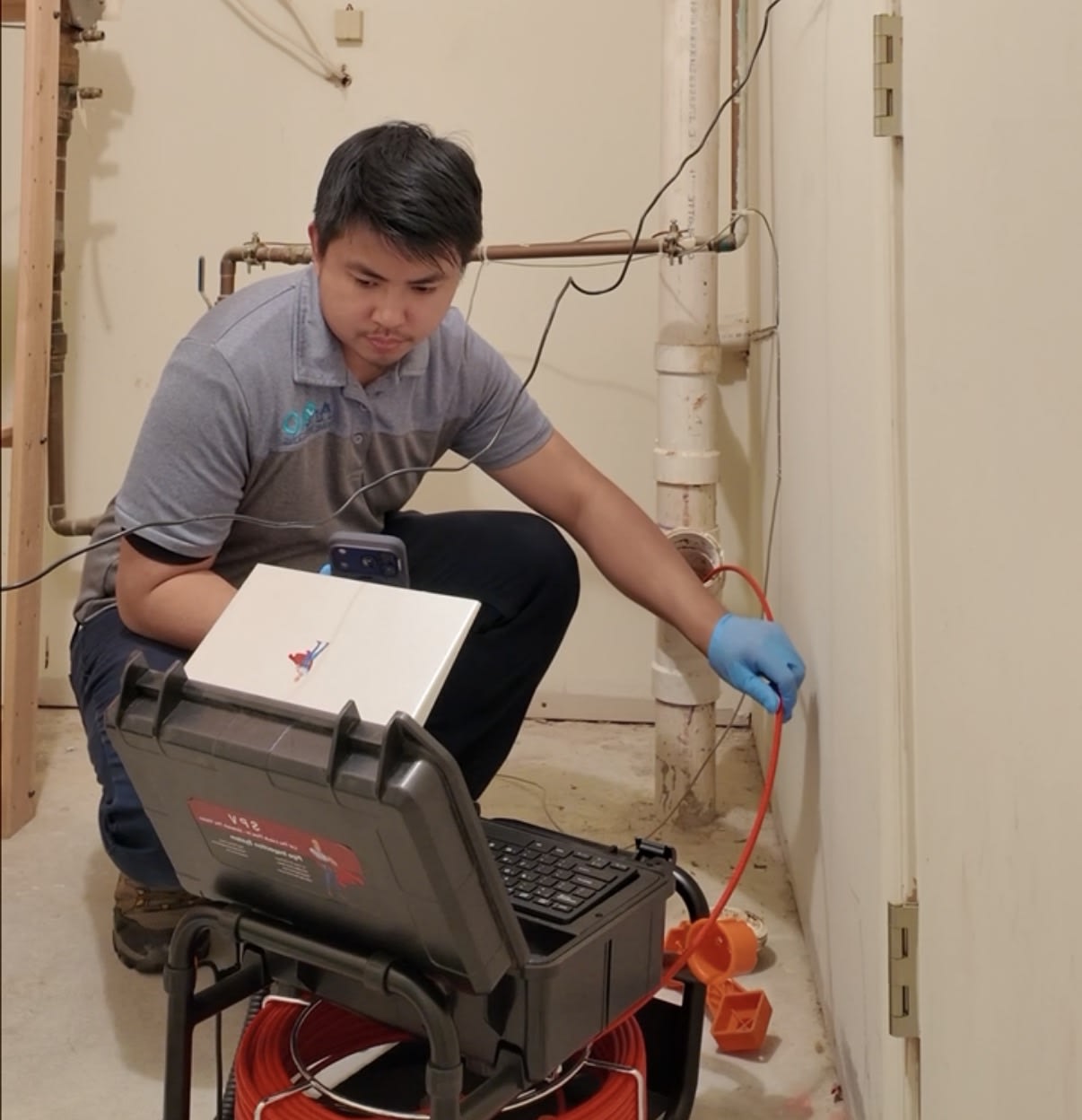
1. Sewer Main Line Scope
Replacing or repairing a collapsed main sewer line running from a home to the street can cost anywhere from $5,000 to $15,000+.
-
What happens: A specialized inspector feeds a flexible camera through the waste line to check for tree root intrusion, cracked pipes, sagging sections (belly in the pipe), or outdated materials like Orangeburg or cast iron.
-
Who needs it: Any home built over 20 years ago, homes with mature trees in the front yard, or properties with a history of slow drains.
2. Radon Gas Testing
Radon is an odorless, invisible radioactive gas that leaks into homes through foundation cracks. It is the leading cause of lung cancer among non-smokers in the United States.
-
What happens: A continuous monitor measures airborne radon levels over 48 hours.
-
Who needs it: Recommended for almost all single-family homes, especially those with basements or crawlspaces. If test results exceed the EPA action level of 4.0 pCi/L, you can negotiate for the seller to install a radon mitigation system before closing.
3. Air Sampling for Mold
Standard home inspections will flag visible mold, but they won't reveal hidden spores behind drywall, under flooring, or within air ducts resulting from past unaddressed leaks.
-
What happens: The evaluator collects air samples inside the home and compares spore counts against an exterior control sample to identify elevated levels or hazardous strains.
-
Who needs it: Homes with past water damage, a musty odor, or for buyers with severe allergies, asthma, or respiratory sensitivities.
4. Chimney Scope & Flue Inspection
A basic visual check of a fireplace mantle isn't enough to confirm it's safe to burn wood.
-
What happens: A certified chimney sweep uses a specialized dual-camera system to inspect the internal flue lining for creosote buildup, cracked clay tiles, or missing mortar joints.
-
Who needs it: Any property with a wood-burning fireplace or stove. A damaged flue liner poses significant carbon monoxide and house-fire risks.
5. Structural Engineer Evaluation
If your general inspector flags stepped foundation cracks, bowing basement walls, or uneven flooring, bring in a licensed structural engineer rather than relying on guesswork.
-
What happens: An engineer evaluates structural movement, load-bearing capacities, and foundation integrity, delivering an unbiased repair recommendation.
-
Who needs it: Homes showing visible structural settlement, horizontal foundation cracks, or sticky doors and windows throughout the layout.
The Bottom Line
A few hundred dollars spent upfront on specialized testing can save you tens of thousands down the road—or give you the leverage needed to negotiate seller concessions before finalizing your purchase.