
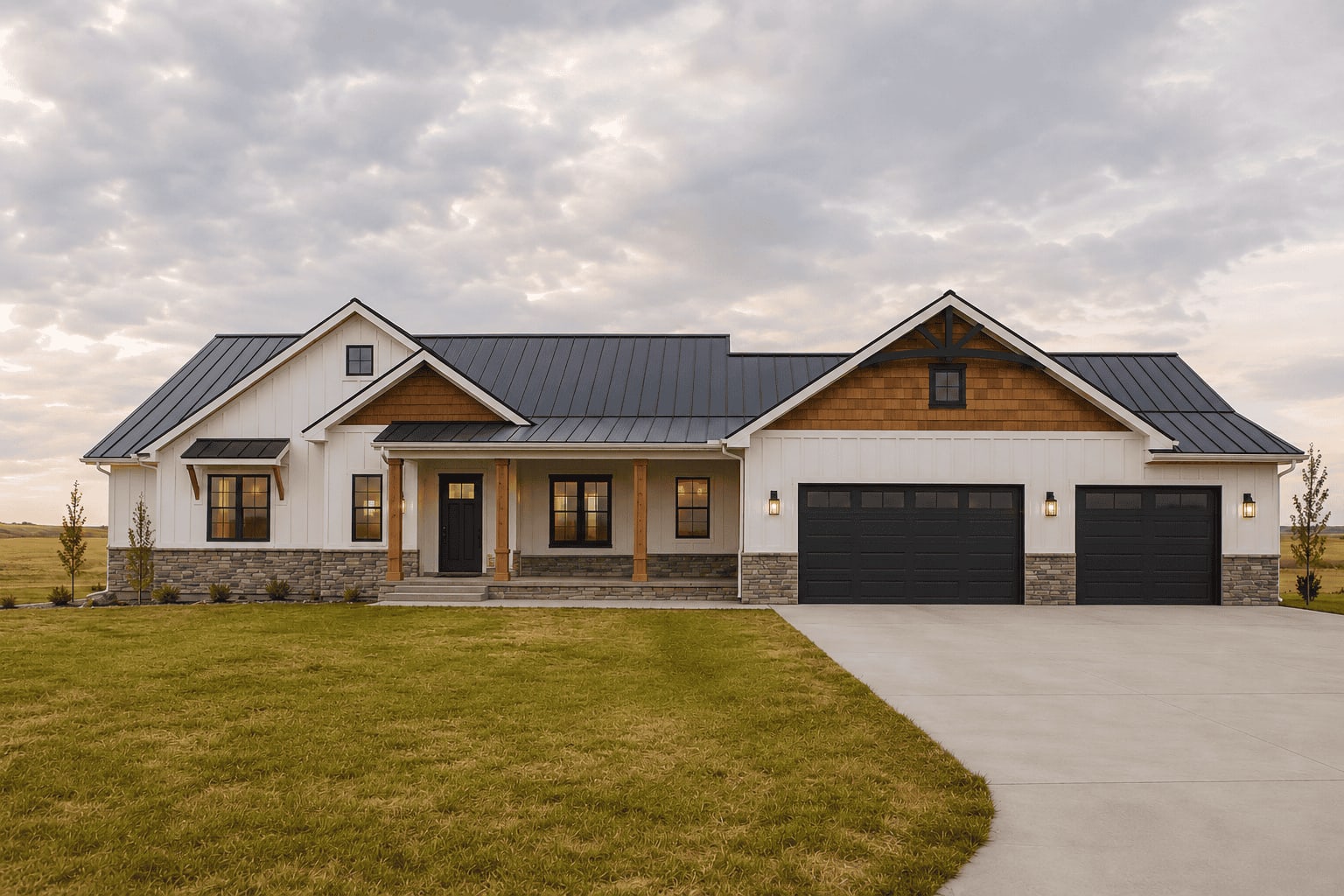

New Construction vs. Existing Homes: Which Is Right for You?
Buying a home is one of the biggest decisions you'll make, and one of the first questions many buyers face is whether to purchase a brand-new home or an existing home.
Both options have advantages, and the right choice depends on your budget, lifestyle, personal preferences, and what you're looking for in a home.
In the Farmington and surrounding Twin Cities real estate markets, buyers can find a variety of options, from newly constructed homes in developing neighborhoods to established homes in mature communities.
Let's take a closer look at the differences between new construction and existing homes so you can decide which option may be the best fit for you.
1. The Benefits of Buying New Construction
There is something exciting about purchasing a brand-new home. Everything is fresh, the finishes are current, and you may have the opportunity to personalize certain features before construction is complete.
Here are some benefits of buying new construction.
Modern layouts and floor plans
Newer homes often feature open floor plans, larger kitchens, spacious primary suites, walk-in closets, main-floor offices, and convenient storage options. These designs are often created with today's lifestyles in mind.
New appliances and mechanical systems
A newly built home typically comes with new appliances, heating and cooling equipment, plumbing, electrical systems, and other major components. This may mean fewer immediate repair concerns, although no home is completely maintenance-free.
Energy efficiency
New construction may include energy-efficient windows, insulation, heating and cooling systems, appliances, and lighting. These features can help manage energy use and improve comfort.
Personalization options
Depending on the stage of construction, you may be able to select flooring, cabinetry, countertops, paint colors, fixtures, and other finishes.
Builder warranties
Many builders offer warranties covering certain materials, workmanship, or structural components. Always review exactly what is covered, the warranty period, and how claims are handled.
2. The Benefits of Buying an Existing Home
While new construction has plenty of appeal, existing homes offer advantages that buyers shouldn't overlook.
Established neighborhoods
Existing homes are often located in mature neighborhoods with established landscaping, sidewalks, trees, parks, and nearby amenities.
More character and variety
Older homes may offer architectural details, unique floor plans, mature gardens, larger lots, or features that are harder to find in some newer developments.
Potentially more outdoor space
Depending on the neighborhood, existing homes may offer larger yards, established trees, privacy, decks, patios, and landscaping that has had years to mature.
More opportunities to negotiate
Depending on the seller's circumstances and current market conditions, there may be opportunities to negotiate price, closing dates, repairs, or other terms.
You can see exactly what you're buying
With an existing home, you can walk through the finished property, see the actual yard, evaluate the neighborhood, and get a better sense of how the home feels before making an offer.
3. Comparing the Costs: New Construction vs. Existing Homes
The purchase price is only one part of the financial picture.
When comparing homes, make sure you're looking at the total cost of ownership rather than just the advertised price.
With new construction, consider:
Lot premiums or additional charges for a particular homesite.
Upgrades and design selections.
Landscaping, fencing, window treatments, and appliances that may not be included.
Driveway, deck, patio, or other improvements.
Homeowners association fees, if applicable.
Property taxes and utility costs.
With an existing home, consider:
Potential repairs or updates.
Roof, furnace, air conditioner, and water heater condition.
Flooring, paint, appliances, and other cosmetic improvements.
Future maintenance and replacement costs.
Utility expenses and property taxes.
A home that initially appears less expensive may require substantial updates. On the other hand, a new home may have additional costs for upgrades and finishing touches.
4. Location Matters Just as Much as the Home
One of the biggest differences between new construction and existing homes can be the neighborhood itself.
New construction is often found in developing communities where additional homes, roads, parks, or commercial areas may still be planned.
Existing homes may be located in established neighborhoods with mature trees, completed infrastructure, and convenient access to existing shopping, restaurants, schools, and recreation.
Before purchasing, consider:
How close are you to work and everyday errands?
Are parks, trails, and recreation nearby?
What are the surrounding homes and properties like?
Is additional development planned nearby?
What are the property taxes and association fees?
Does the neighborhood fit your lifestyle?
Remember, you can update a home, but you cannot change its location.
5. Don't Skip the Inspection
Some buyers assume a brand-new home doesn't need an inspection. However, even newly constructed homes can have issues.
An independent home inspection can help identify concerns before closing. You may also want to consider inspections at different stages of construction, depending on the builder's process and your contract.
For existing homes, a professional inspection is equally important. It can help you understand the home's condition and identify potential maintenance or repair concerns.
An inspection isn't necessarily about finding a perfect home. It's about making an informed decision.
6. Consider Your Timeline
Your moving timeline may also influence your decision.
With an existing home, you may be able to move in shortly after closing, depending on the seller's circumstances and your agreement.
With new construction, the timeline can be less predictable. Construction schedules may change because of weather, materials, labor availability, permitting, or other factors.
If you need to move by a specific date, make sure you understand the builder's estimated completion timeline and what happens if construction is delayed.
7. Which Option Is Right for You?
There isn't one right answer. It really comes down to your priorities.
New construction may be right for you if:
You want modern finishes and an updated floor plan.
You prefer new appliances and mechanical systems.
You want the opportunity to personalize certain features.
You are comfortable waiting for construction to be completed.
You don't mind potentially adding landscaping or other finishing touches.
An existing home may be right for you if:
You prefer an established neighborhood.
You want mature landscaping and outdoor spaces.
You appreciate character and unique features.
You want to see the finished home before purchasing.
You're comfortable evaluating potential updates and maintenance needs.
Let Fresh Start Realty Help You Find the Right Home
Whether you're considering a brand-new home or an existing property, having an experienced real estate professional on your side can make the process easier.
At Fresh Start Realty, we help buyers understand their options, compare properties, evaluate neighborhoods, and navigate the details of purchasing a home.
You don't have to know exactly what you're looking for before getting started. Sometimes the best first step is simply having a conversation about your goals, budget, and lifestyle.
Thinking about buying or building a home in Farmington or the surrounding Twin Cities area? Let's talk! (651) 248-4855
Fresh Start Realty is here to help you find a home that fits your needs and gives you a place to call your own.