

The Hidden Costs of Owning a Home: What Every Homeowner Should Budget For
Buying a home is an exciting milestone. You find the right property, secure your financing, sign the paperwork, and finally get the keys to a place you can call your own.
But once the excitement of moving in settles down, many homeowners discover that the mortgage payment is only one part of the cost of owning a home.
There are property taxes, insurance, utilities, maintenance, repairs, and plenty of other expenses that can add up over time.
Whether you're purchasing your first home or moving into a different property, understanding the true cost of homeownership can help you prepare financially and avoid unexpected surprises.
Here are some of the most common expenses every homeowner should plan for.
1. Property Taxes
Property taxes are one of the largest ongoing expenses associated with homeownership.
The amount you pay depends on factors such as your property's assessed value, local tax rates, and applicable taxing jurisdictions.
In Minnesota, property taxes can vary significantly depending on the city, county, school district, and other local factors.
Before purchasing a home, make sure you review the current property tax information. Also remember that taxes can change over time, so the amount shown in a listing or on a current tax statement isn't necessarily what you'll pay in future years.
Tip: Don't assume two similarly priced homes will have the same property taxes. Always compare the actual tax information for each property.
2. Homeowners Insurance
Homeowners insurance protects your property against certain covered losses and provides liability protection.
Your premium may depend on:
The home's location.
Age and condition of the property.
Roof age and construction.
Replacement cost.
Coverage limits and deductible.
Your insurance provider and claims history.
Insurance costs can vary considerably, so it's a good idea to get quotes before finalizing your home purchase.
Also, make sure you understand what your policy covers and what exclusions or additional coverage may apply.
3. Utilities
When you own a home, you're responsible for the utilities.
Depending on the property, monthly expenses may include:
Electricity.
Natural gas or other heating fuel.
Water and sewer.
Trash and recycling.
Internet and cable.
Additional services such as security monitoring.
Utility expenses can vary based on the home's size, insulation, windows, heating and cooling systems, number of occupants, and personal usage.
A larger home may offer more space, but it may also cost more to heat, cool, and maintain.
Tip: Ask whether the seller can provide historical utility information. This can help you estimate what your monthly expenses might look like.
4. Routine Home Maintenance
Every home requires regular maintenance.
Even a newer home needs attention, and staying on top of small maintenance items can help prevent bigger problems down the road.
Common maintenance expenses include:
Furnace filter replacements.
Air conditioner maintenance.
Gutter cleaning.
Window and door maintenance.
Caulking and weatherstripping.
Lawn care.
Snow removal.
Exterior painting and staining.
Cleaning and maintaining decks and patios.
These expenses may not seem significant individually, but they can add up throughout the year.
Creating a home maintenance budget can help you stay ahead of these responsibilities.
5. Major Repairs and Replacements
One of the biggest financial surprises for homeowners is when a major home component needs to be repaired or replaced.
Some examples include:
Roof replacement
Roofs have a limited lifespan, and replacement costs can be substantial depending on the size, materials, and complexity of the roof.
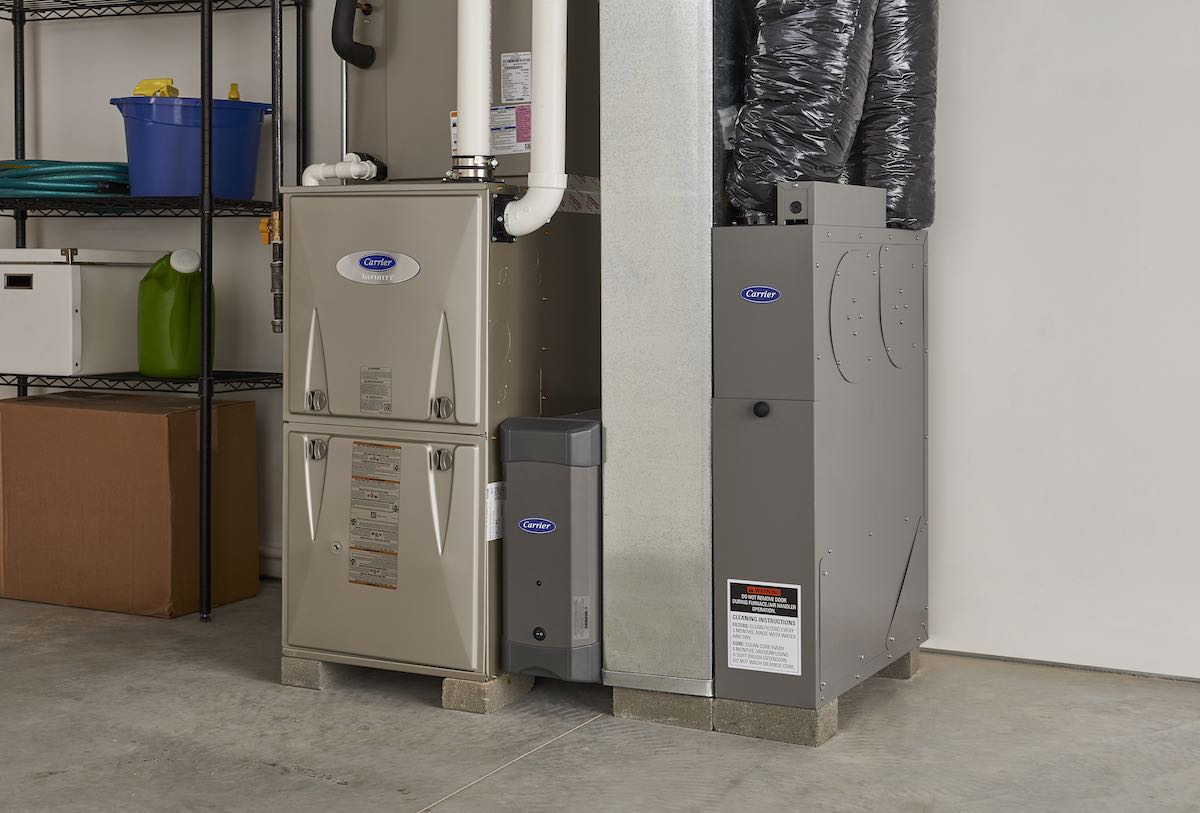
Furnace and air conditioner
Heating and cooling systems eventually need repairs or replacement. In Minnesota, having dependable heating is especially important.
Water heater
Water heaters don't last forever. Planning for replacement can help avoid an unexpected expense.
Windows and doors
Older or damaged windows and doors may need repairs or replacement to improve comfort, security, and energy efficiency.
Appliances
Refrigerators, dishwashers, ranges, washers, and dryers eventually wear out and need to be replaced.
Driveways and exterior improvements
Concrete driveways, sidewalks, patios, decks, and fencing may require maintenance or replacement over time.
A good approach is to set aside money regularly for future repairs instead of waiting until something breaks.
6. Lawn Care and Landscaping
Your yard may be one of the things you love most about your new home, but maintaining it takes time and money.
Depending on the property, you may need to budget for:
Lawn mowing.
Fertilizing and weed control.
Spring and fall cleanup.
Mulch and landscaping.
Tree trimming.
Irrigation system maintenance.
Snow removal.
Outdoor equipment.
If you enjoy doing the work yourself, you'll still need to purchase and maintain equipment such as a lawn mower, trimmer, snowblower, and other tools.
If you prefer hiring professionals, those services should be included in your monthly or seasonal budget.
7. Homeowners Association Fees
Some properties are part of a homeowners association (HOA) or other common-interest community.
Depending on the community, fees may cover:
Common-area landscaping.
Snow removal.
Exterior maintenance.
Shared amenities.
Community insurance.
Management and administrative expenses.
Not every association provides the same services, so it's important to review the association documents and understand what is included.
Also ask whether there are any special assessments, planned increases, or other additional expenses.
8. Unexpected Emergencies
Even well-maintained homes can have unexpected problems.
A plumbing leak, appliance failure, electrical issue, storm damage, or heating system breakdown can happen without warning.
That's why having an emergency fund is so important.
Try to maintain savings specifically for home-related expenses. The appropriate amount depends on your income, the condition and age of your home, and your overall financial situation.
The goal is to avoid having to rely on credit cards or loans every time an unexpected repair comes up.
9. Home Improvements and Personalization
Once you move into your home, you may want to make it your own.
That could mean:
Painting rooms.
Replacing flooring.
Updating kitchen cabinets or countertops.
Remodeling a bathroom.
Adding a deck or patio.
Installing a fence.
Finishing a basement.
Creating a home office.
These projects can improve your enjoyment of the home, but they can also become expensive.
Before starting a project, establish a budget and prioritize improvements based on your needs.
It's also worth considering whether the project adds meaningful value to your property or is primarily a personal preference.
10. Pest Control and Seasonal Services
Depending on your location and property, you may need to budget for additional services.
These could include:
Pest control.
Mosquito and tick treatments.
Tree and shrub maintenance.
Chimney inspections and cleaning.
Septic system maintenance, where applicable.
Well maintenance and water testing, where applicable.
Not every home will require these services, but they're worth considering when evaluating a particular property.
11. The Cost of Furnishing and Moving
Many buyers focus on the down payment and closing costs but forget about the expenses that come after closing.
Moving into a new home may involve:
Movers or rental trucks.
Boxes and packing supplies.
New furniture.
Window treatments.
Light fixtures.
Storage solutions.
Garage shelving.
Appliances that aren't included with the property.
Even small purchases can add up quickly when you're setting up an entire home.
It's helpful to leave some money available after closing rather than spending every dollar on the purchase itself.
12. Build a Homeownership Budget Before You Buy
Before purchasing a home, take time to estimate what it will really cost to own the property.
Your budget should include more than the mortgage payment.
Consider these categories:
| Expense | What to consider |
|---|---|
| Mortgage | Principal and interest |
| Property taxes | Current taxes and potential future changes |
| Insurance | Homeowners insurance and applicable additional coverage |
| Utilities | Electricity, gas, water, sewer, trash, and internet |
| Maintenance | Routine upkeep and seasonal services |
| Repairs | Unexpected and future replacements |
| HOA fees | Monthly or annual association expenses |
| Improvements | Updates, renovations, and personalization |
You don't have to predict every expense perfectly. The important thing is to understand that homeownership comes with ongoing financial responsibilities.
Is Owning a Home Still Worth It?
Absolutely, homeownership can offer many benefits. It can provide stability, personal freedom, the opportunity to build equity, and a place to create lasting memories.
But buying a home should be a comfortable financial decision, not one that leaves you struggling to cover everyday expenses.
The best home for you isn't necessarily the biggest or most expensive one you qualify to purchase. It's the one that fits your lifestyle and your budget both now and in the future.
Thinking About Buying a Home in Minnesota?
At Fresh Start Realty, we want our buyers to feel informed and confident throughout the home-buying process.
We'll help you look beyond the purchase price, understand the details of each property, and consider the expenses that come with owning a home.
Whether you're buying your first home, moving up, or downsizing, we're here to help you make a decision that feels right.
Have questions about buying a home in Farmington or the surrounding Twin Cities area? Contact Fresh Start Realty. We'd love to help you get started! (651) 248-4855